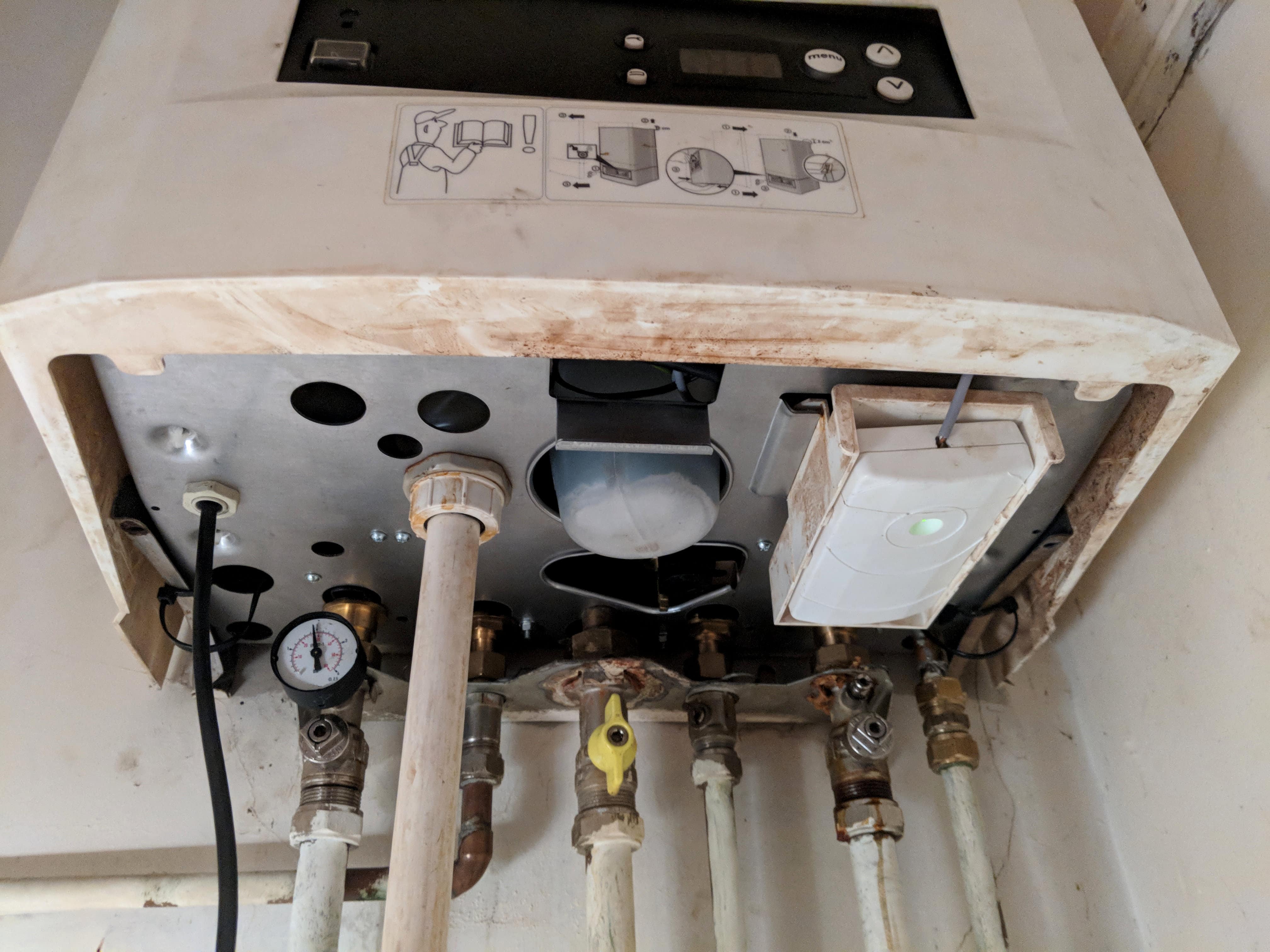
A boiler should never leak water, so if you have found a damp patch under yours, water dripping from a pipe, or a puddle on the floor, it needs looking at rather than ignoring. Left alone, a leak can rust the boiler and its parts from the inside, damage your floors and ceilings, and get into the electrics. Because a boiler is a gas appliance, the repair itself is a job for a Gas Safe registered engineer, but there are a few safe things you can do straight away. This guide explains whether a leak is dangerous, what to do right now, the common causes, and how to tell from where the water is coming what is likely behind it.
Is a Leaking Boiler Dangerous?
A leak is not usually an immediate danger in the way a gas smell is, but it should be treated seriously, because water and an electrical, gas-fired appliance do not mix. Water can get into the electrical parts in and around the boiler and make them fail, and over time a slow leak corrodes pipes and components and can spread damp and mould through the surrounding walls and floor. British Gas puts it plainly: a leak is not necessarily dangerous, but it could point to a safety issue, so it is worth getting checked rather than left. If you can see water reaching anything electrical, treat it as urgent.
What to Do If Your Boiler Is Leaking
If you find your boiler leaking, there are a few safe steps to take before the engineer arrives.
- Turn the heating off. Switch the central heating off at the programmer or thermostat so the system is not being worked while it leaks.
- Catch the water. Put a towel or a container under the drip to protect the floor, and check it regularly if it is filling up.
- Keep water away from the electrics. Mop up any pooled water and keep it clear of plug sockets and the boiler's electrical supply. If water is reaching anything electrical, turn the power off at the consumer unit.
- If there is a lot of water, isolate it. For a heavy leak or a burst, turn the mains water off at the stopcock to stop more water coming in.
- Do not open the boiler or keep topping it up. Leave the casing closed, and do not keep repressurising the system, as that can make things worse. Call a Gas Safe registered engineer to find and fix the leak.
Common Causes of a Boiler Leaking Water
Most boiler leaks come down to a handful of causes. The most common is the pressure being too high, which forces water out through the pressure relief valve and its overflow pipe outside, and our guide on what boiler pressure should be explains how to check and lower it. The pressure relief valve itself can also wear or pick up limescale on its seal and start to weep. Over the years, air in the system corrodes the pipes, radiators and internal parts until a weak spot gives way, which usually shows as water from the bottom of the boiler. Seals and joints loosen or perish with age and let water past, a pump seal can fail, and in older boilers the heat exchanger can crack, though that is less common. If a newly fitted boiler leaks, the usual cause is pipework that was not fitted correctly. One thing that can look like a leak but is not is a frozen or backed-up condensate pipe in cold weather, which can drip until it clears.
Where Is the Water Coming From?
Where the water is coming from is a good clue to the cause.
| Where it is leaking from | Likely cause |
|---|---|
| The overflow pipe outside | Pressure too high, or a worn pressure relief valve |
| Underneath the boiler | Corrosion, a worn pump seal, or a failed internal part |
| A pipe or joint near the boiler | A loose or worn fitting, or poor installation on a new boiler |
| Only in cold weather | A frozen or backed-up condensate pipe, which can look like a leak |
How to Prevent Boiler Leaks
You cannot prevent every leak, but you can shorten the odds. An annual boiler service is the single best step, because the engineer checks the seals, the pressure relief valve and the pressure itself, and catches the small faults that turn into leaks. Keeping the pressure in its normal range rather than overfilling the system helps, since too-high pressure is a common cause. A central heating inhibitor, topped up when needed, slows the corrosion that eats through pipes and parts over the years. And dealing with a small drip early, rather than leaving it, stops it becoming a much bigger repair.
Can You Fix a Leaking Boiler Yourself?
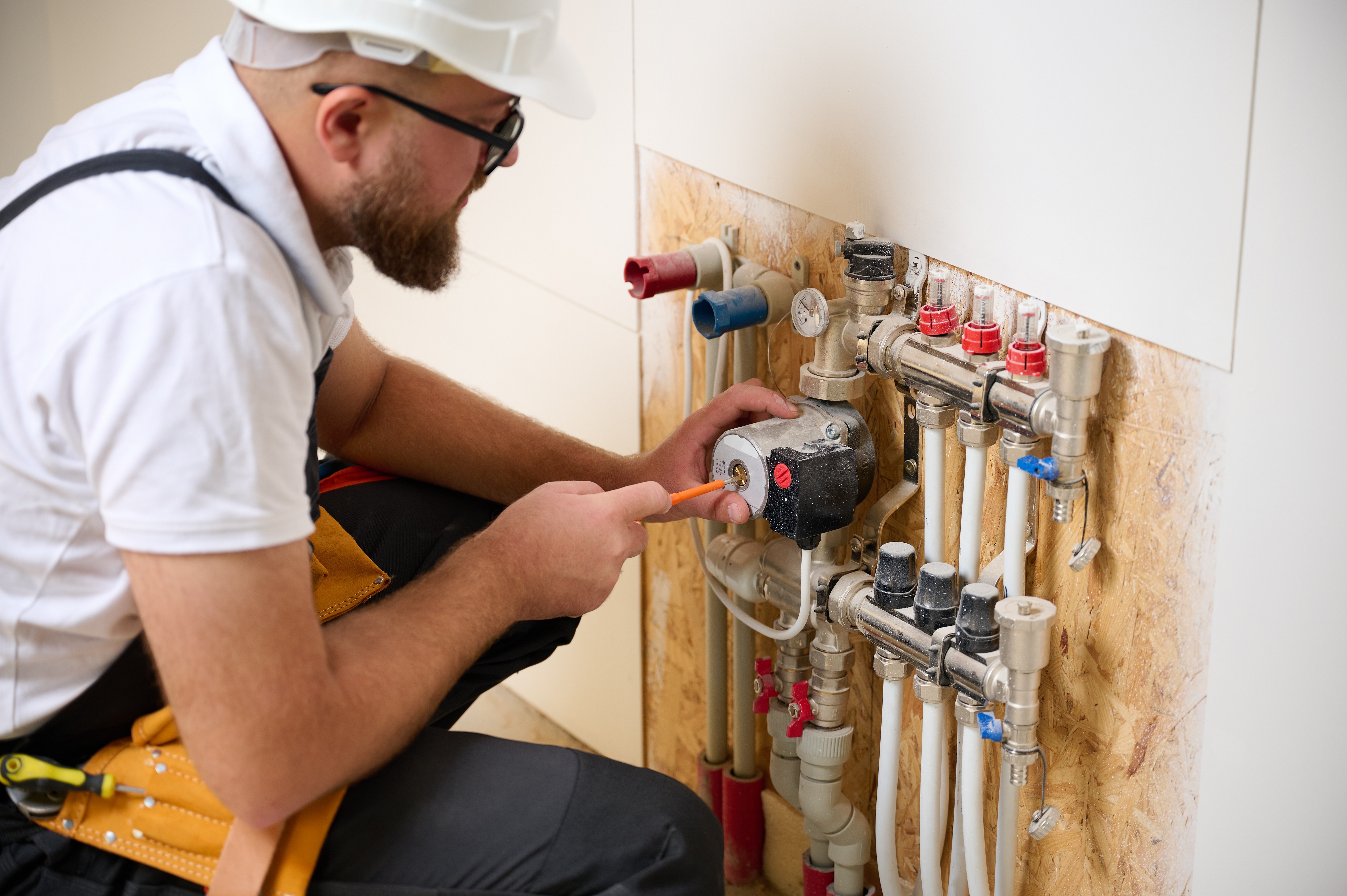
No. A boiler is a gas appliance, and under the Gas Safety (Installation and Use) Regulations 1998 the repair must be carried out by a Gas Safe registered engineer. You can safely take the steps above, turning the heating off, catching the water and keeping it clear of the electrics, but you should not open the boiler casing, take parts off, or keep repressurising the system to hide the drop. Those either make the problem worse or put you at risk. Finding the exact source of a leak and fixing it properly is quick work for an engineer and avoids a much bigger bill later.
Get a Leaking Boiler Looked At
A leaking boiler rarely fixes itself and usually gets worse, so it is worth getting it seen sooner rather than later. GPM London's Gas Safe registered engineers trace and repair boiler leaks across South East London and Kent, usually the same day. Call 020 3490 1415 or request a free quote.